Archives
- 2026-04
- 2026-03
- 2026-02
- 2026-01
- 2025-12
- 2025-11
- 2025-10
- 2025-09
- 2025-03
- 2025-02
- 2025-01
- 2024-12
- 2024-11
- 2024-10
- 2024-09
- 2024-08
- 2024-07
- 2024-06
- 2024-05
- 2024-04
- 2024-03
- 2024-02
- 2024-01
- 2023-12
- 2023-11
- 2023-10
- 2023-09
- 2023-08
- 2023-07
- 2023-06
- 2023-05
- 2023-04
- 2023-03
- 2023-02
- 2023-01
- 2022-12
- 2022-11
- 2022-10
- 2022-09
- 2022-08
- 2022-07
- 2022-06
- 2022-05
- 2022-04
- 2022-03
- 2022-02
- 2022-01
- 2021-12
- 2021-11
- 2021-10
- 2021-09
- 2021-08
- 2021-07
- 2021-06
- 2021-05
- 2021-04
- 2021-03
- 2021-02
- 2021-01
- 2020-12
- 2020-11
- 2020-10
- 2020-09
- 2020-08
- 2020-07
- 2020-06
- 2020-05
- 2020-04
- 2020-03
- 2020-02
- 2020-01
- 2019-12
- 2019-11
- 2019-10
- 2019-09
- 2019-08
- 2019-07
- 2019-06
- 2019-05
- 2019-04
- 2018-07
-
br APC C Uses a Dynamic Cullin RING Mechanism
2020-04-02
APC/C Uses a Dynamic Cullin–RING Mechanism to Elongate Polyubiquitin Chains Human APC/C generates Lys11-linked poly-Ub chains through an entirely different mechanism, via the distinctive E2 enzyme, UBE2S 30, 31, 32. Although APC2 and APC11 are necessary and sufficient to activate UBE2S, the mecha
-
Several studies have indicated that ICT induces
2020-04-02
Several studies have indicated that ICT induces activation of ERK and p38 kinase in a variety of cells. The ERK pathway was involved in and partly contributed to the neuroprotective effects in rat neuronal E7046 [14] and anticancer effects in several cancer cells [5], [7], [8]. ICT could also simul
-
Haj Yahya et al applied native chemical ligation for
2020-04-02
Haj-Yahya et al. [52] applied native chemical ligation for the construction of diubiquitin probes. They attached a cysteine residue to the lysine side chain of the proximal ubiquitin and ligated the distal module using the C-terminal thioester of ubiquitin. Elimination of the sulfur Methylcobalamin
-
We initially identified four putative
2020-04-02
We initially identified four putative Egr1 Eltrombopag Olamine receptor (−39/−36, −105/−102, −107/−104, and −227/−224) on the DBH proximal promoter. The deletion and mutagenesis experiments indicate that the motif at −227/−224 is required for Egr1-elicited reduction in DBH promoter activity. It rema
-
More importantly Santagata et al have suggested a
2020-04-02
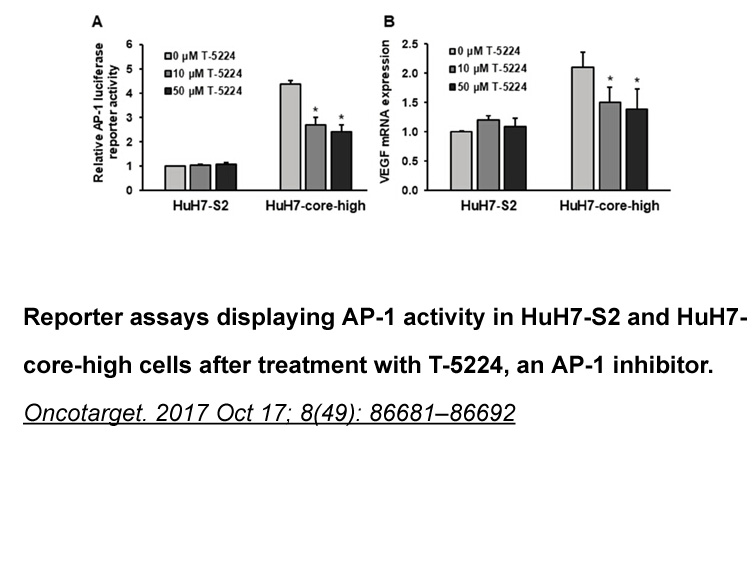
More importantly, Santagata et al. have suggested a new breast cancer subtyping method according to ER, androgen receptor (AR), and VDR with a higher prognostic value than the ordinarily used method based on ER, progesterone receptor (PR) and Her2 (Santagata et al., 2014). This implies that such com
-
In the frontal cortex the present study found a relationship
2020-04-02
In the frontal cortex, the present study found a relationship between working memory performance and activated Erk2 expression for the E2-only group, where animals that tended to perform better on the WMC measure tended to have higher activated Erk2 expression. This suggests that there is a unique r
-
Multiple technologies exist for analyzing the contents of si
2020-04-02
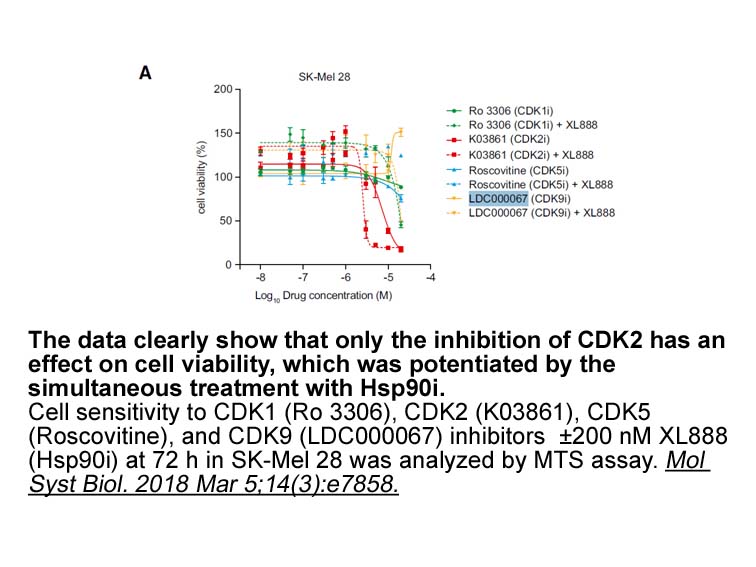
Multiple technologies exist for analyzing the contents of single cells, including single-cell DNA sequencing, RNA expression analysis, and protein level and activity measurements (Hu et al., 2018; Narrandes & Xu, 2018; Ortega et al., 2017; Wang & Navin, 2015). Single-cell DNA sequencing is generally
-
Most of the amino acid residues contacting
2020-04-02
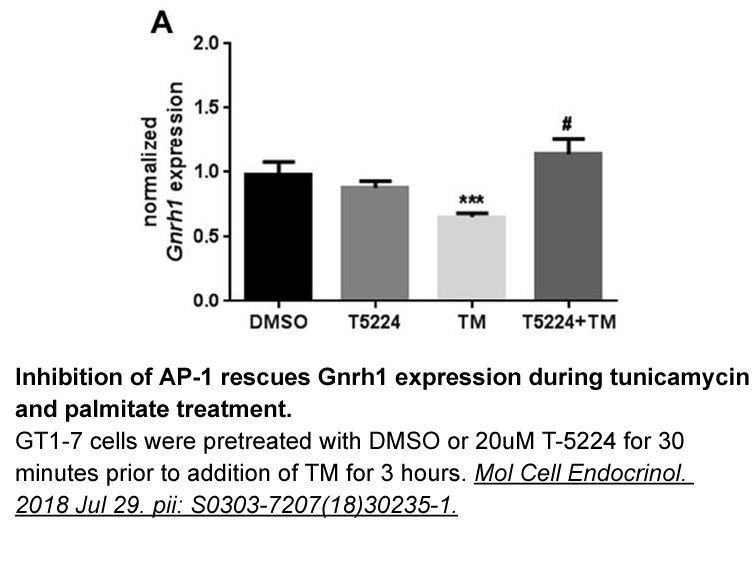
Most of the amino AZD8186 residues contacting the substrate are within the nucleotide-recognition lid (mauve or magenta in Fig. 4A). Two particularly important residues, W69 and Y76, are conserved in eubacteria and in some but not all of eight human AlkB homologs [52], [76] (Fig. 4B). The tryptophan
-
All DGKs have at least two cysteine rich regions homologous
2020-04-02
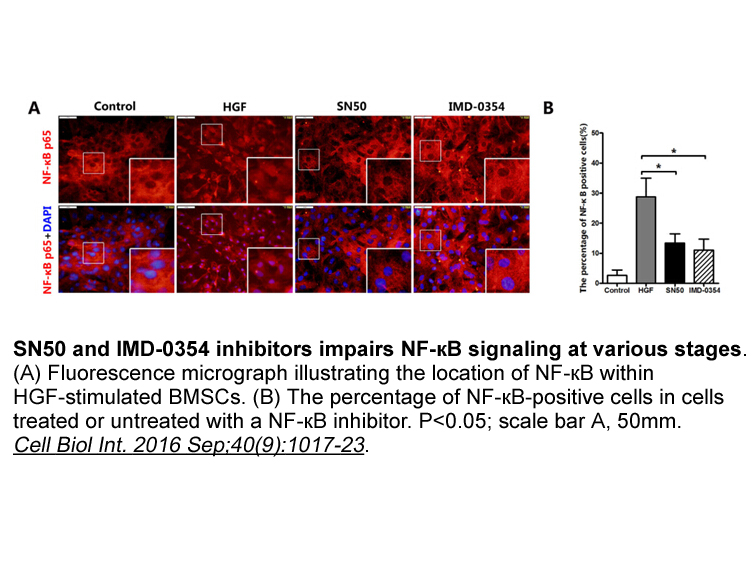
All DGKs have at least two cysteine-rich regions homologous to the C1A and C1B motifs of PKCs [26]. In theory, these domains may bind DAG, perhaps localizing DGKs to where DAG accumulates. However, no DGK C1 domain has so far been conclusively shown to bind DAG. In fact, structural predictions sugge
-
ACA Group B phytocystatins are also expressed in caryopses
2020-04-01
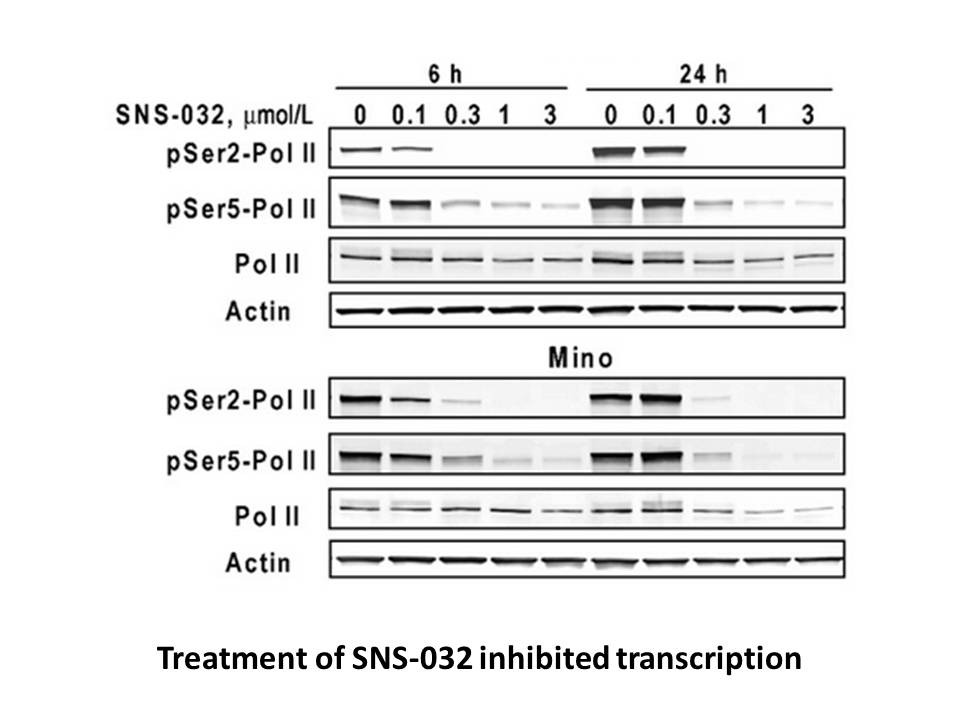
Group B phytocystatins are also expressed in caryopses. Although their expression patterns during germination are similar to those of the group A inhibitors, their expression patterns during seed development vary, indicating that they play different roles in the latter process. The highest levels of
-
vegf tyrosine kinase inhibitor We neither observed changes i
2020-04-01
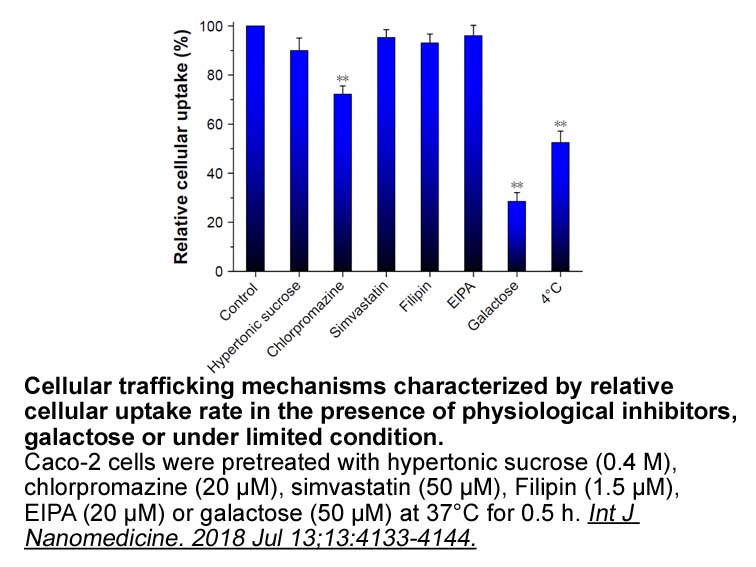
We neither observed changes in midazolam eCLmet indicative of significant inhibition of CYP3A4/5 during both experiments, despite the in vitro evidence for CYP3A4/5 inhibition (Theile et al., 2017). The observed increase in CYP3A dependent midazolam clearance after chronic ingestion of clementines/c
-
IL is not expressed in tissues constitutively because of
2020-04-01

IL-8 is not expressed in tissues constitutively because of its strong chemoattractant, proinflammatory, and angiogenic activities. Rather, it is an inducible factor, produced by a variety of cell types, including leukocytes, fibroblasts, endothelial and epithelial cells, in response to proinflammato
-
br Results with scrubbing process Based on
2020-04-01
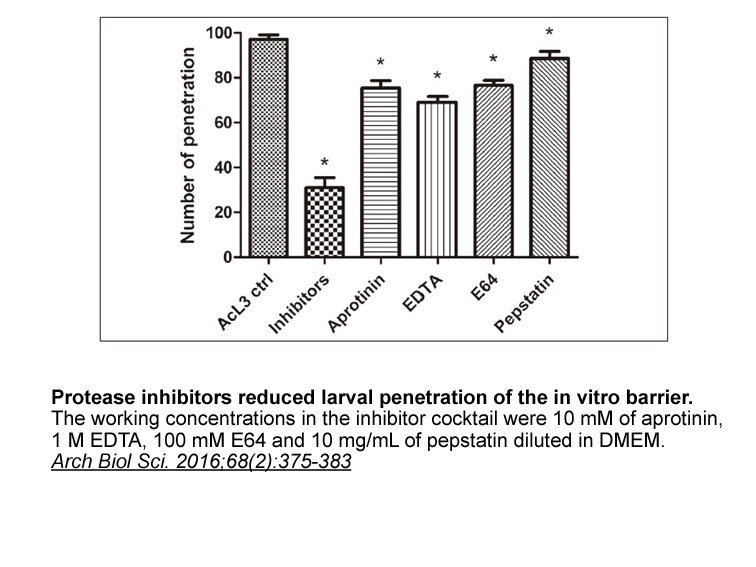
Results with scrubbing process Based on Neuregulin/Heregulin-1β (NRG-1β/HRG-1β), human recombinant protein discussion of Section 4.4 and area availability results of the previous section, scrubbing process, at the pixel processing rate, was included to mitigate error accumulation on the arrays an
-
Many countries in all over the world generate
2020-04-01
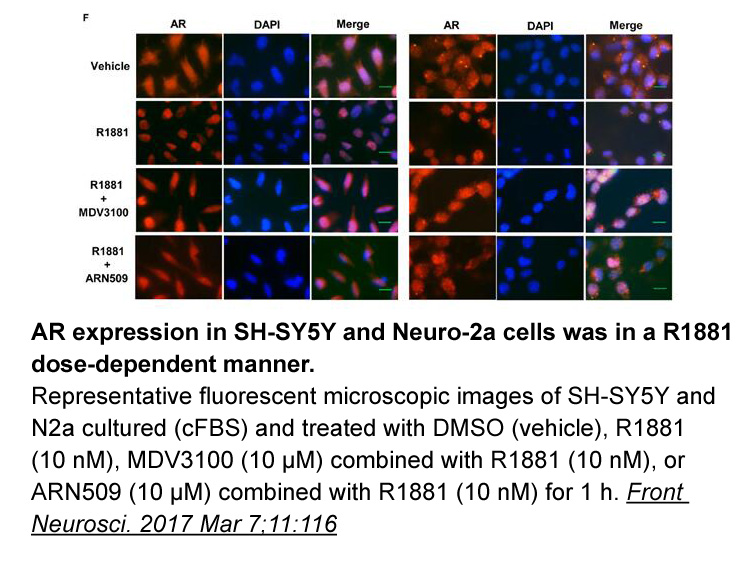
Many countries in all over the world generate a large amount of RHA from uncontrolled and controlled burning. RHA is a pozzolanic material due to this high percentage of SiO2 in RHA. Rice husk ash, as a mineral additive, is produced by burning rice husks, which are obtained in the rice milling indus
-
3965 australia The defining molecular feature of
2020-04-01
The defining molecular feature of Ewing sarcoma is the characteristic EWSR1/ETS fusion protein, most commonly involving EWSR1 and FLI1 (Delattre et al., 1992, May et al., 1993). EWS–FLI1 causes global changes in gene expression both by directly regulating gene expression and by causing changes in ch
16137 records 881/1076 page Previous Next First page 上5页 881882883884885 下5页 Last page